
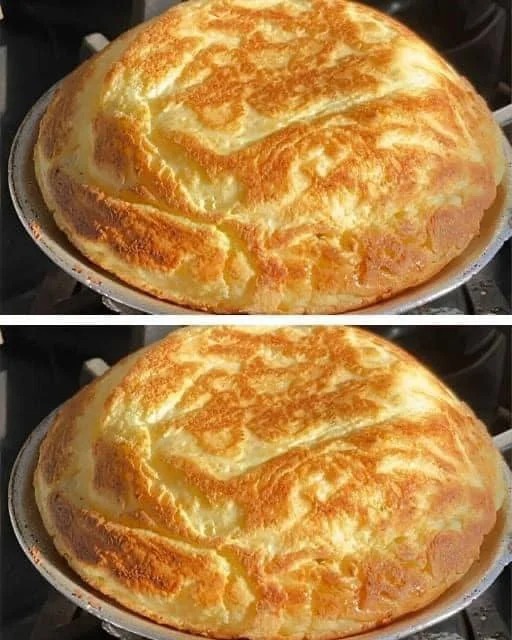
Cornstarch Bread Cooked in a Skillet
This easy skillet bread is made with a simple combination of cornstarch, all-purpose flour, olive oil, and warm water. It has a lightly crisp exterior and a soft, tender center, making it a wonderful choice when you want homemade bread without turning on the oven. It is especially delicious served warm with butter, cheese, eggs, soups, or savory Mediterranean-style dishes.
Prep Time: 10 minutes
Cook Time: 20–25 minutes
Total Time: 30–35 minutes
Servings: 6–8 slices
Ingredients
Dry Ingredients
1 cup cornstarch (Maizena)
1 cup all-purpose flour
1 tablespoon baking powder
½ teaspoon salt
Wet Ingredients
2 tablespoons olive oil
½ cup warm water
1 tablespoon butter, reserved for greasing the skillet
Instructions
Prepare the Dry Ingredients
Add the cornstarch, all-purpose flour, baking powder, and salt to a medium mixing bowl.
Whisk the ingredients together thoroughly so the baking powder and salt are evenly distributed throughout the flour and cornstarch.
This step is important because unevenly mixed baking powder can cause parts of the bread to rise differently during cooking.
Add the Olive Oil
Pour the olive oil into the dry mixture and stir gently with a wooden spoon or spatula.
The mixture will still look dry at this point. Continue mixing until the oil is distributed throughout the flour mixture.
Add the Warm Water
Gradually pour in the warm water while stirring continuously.
The amount of water can vary slightly depending on the flour and cornstarch. Add it slowly rather than pouring everything in at once.
Mix until a soft, cohesive dough forms.
If the dough seems extremely dry and crumbly, add a teaspoon of warm water at a time. If it becomes too sticky, lightly dust your hands with flour and knead it briefly.
Form the Dough
Transfer the dough to a lightly floured work surface.
Gently knead for about 1 to 2 minutes, just until the ingredients are combined and the dough becomes smooth enough to shape.
Do not over-knead the dough. The goal is simply to bring everything together.
Shape the dough into a thick round that will fit comfortably inside your skillet.
Prepare the Skillet
Place a heavy-bottomed skillet over low to medium-low heat.
Add the butter and spread it across the bottom and sides of the skillet.
The skillet should be warm but not smoking. Cooking the bread over moderate heat is important because the exterior can brown too quickly while the center remains undercooked if the temperature is too high.
Cook the Bread
Carefully place the shaped dough into the buttered skillet.
Gently press it into an even thickness. If necessary, smooth the top with your hands or the back of a spoon.
Cover the skillet with a lid.
Cook for approximately 10 to 12 minutes over low to medium-low heat.
Check the bottom occasionally. It should become lightly golden and firm without burning.
When the bottom is nicely browned and the top has started to set, carefully flip the bread using a large spatula or by placing a plate over the skillet and turning it out before sliding it back into the pan.
Cook the second side for another 8 to 12 minutes, keeping the heat relatively low.
Cover the skillet again so the trapped heat helps cook the center.
Check for Doneness
The bread should feel firm when gently pressed in the center.
Insert a toothpick or thin skewer into the middle. It should come out mostly clean without wet dough attached.
If the center still seems undercooked, reduce the heat to low and continue cooking for several additional minutes.
Rest and Serve
Transfer the finished bread to a cutting board or wire rack.
Allow it to rest for approximately 5 to 10 minutes before slicing.
This short resting period allows the interior to finish setting and makes the bread easier to cut.
Slice into wedges or thick pieces and serve warm.
Tips
Use warm rather than hot water. Very hot water can change the texture of the dough, while cool water may make it harder to bring the ingredients together smoothly.
A heavy skillet works particularly well because it distributes heat more evenly. Cast iron is an excellent choice, but a good nonstick skillet can also be used.
Keep the heat low to medium-low. Skillet bread needs gentle heat so the center cooks before the outside becomes overly dark.
The dough should be soft and cohesive but not excessively sticky. Because different flours absorb different amounts of liquid, you may need a tiny adjustment to the water.
Do not add all the water immediately. Gradual addition gives you much better control over the dough consistency.
Avoid excessive kneading. Since this recipe is intended to be quick and simple, a short knead is enough to bring the dough together.
Make the dough an even thickness. If one side is much thicker than another, the thinner area may brown before the thicker center is cooked.
Covering the skillet is particularly useful because it traps heat and helps the middle cook more evenly.
When flipping the bread, use a large spatula and work carefully. A plate can make the process easier if the bread is too large or delicate to turn with a spatula.
Let the bread rest before slicing. Cutting immediately can make the center appear softer or slightly gummy.
For the best flavor, serve it warm with butter, olive oil, feta, soft cheese, eggs, or your favorite savory spread.
Variations
Garlic Herb Skillet Bread
Add ½ teaspoon garlic powder and 1 to 2 tablespoons finely chopped fresh parsley to the dough. Dried oregano or thyme can also be added for a Mediterranean-inspired flavor.
Cheesy Skillet Bread
Mix ½ cup finely shredded mozzarella, cheddar, or Parmesan into the dough. Keep the cheese pieces relatively small so they distribute evenly and do not create overly wet pockets.
Feta & Oregano Bread
Add ¼ cup crumbled feta and ½ teaspoon dried oregano. The salty feta pairs beautifully with the mild cornstarch-based bread.
Rosemary Olive Oil Bread
Add 1 teaspoon finely chopped fresh rosemary and an extra small drizzle of olive oil before serving.
Spicy Version
Add ¼ teaspoon crushed red pepper flakes, a pinch of cayenne, or finely chopped jalapeño for a little heat.
Seeded Bread
Sprinkle sesame seeds, sunflower seeds, pumpkin seeds, or flaxseeds over the top before covering the skillet. Gently press them into the surface so they adhere.
Breakfast Skillet Bread
Keep the bread plain and serve it with scrambled eggs, fried eggs, avocado, tomatoes, and a little feta for a satisfying breakfast.
Mediterranean Serving Style
Cut the bread into wedges and serve it alongside hummus, olives, cucumber, tomatoes, feta, roasted vegetables, or grilled chicken.
Q&A
Can I make this bread without an oven?
Yes. This recipe is specifically designed to be cooked in a covered skillet, making it useful when you do not want to use an oven.
Why is my bread brown outside but raw inside?
The skillet was probably too hot or the dough was too thick. Reduce the heat to low and cook the bread more slowly with the lid on. A thinner, evenly shaped dough also cooks more reliably.
Can I use only cornstarch instead of flour?
Not with the same recipe proportions. All-purpose flour provides structure that cornstarch alone does not provide. Replacing all of the flour with cornstarch would significantly change the texture and may prevent the bread from holding together properly.
Can I use whole-wheat flour?
You can replace part of the all-purpose flour with whole-wheat flour, although the bread may become slightly denser. Start by replacing about half of the all-purpose flour.
What kind of skillet works best?
A heavy-bottomed skillet or cast-iron pan works very well because it distributes heat evenly. A nonstick skillet is also suitable.
Can I prepare the dough ahead of time?
It is best to cook the dough shortly after preparing it because the baking powder begins working once it comes into contact with moisture. If you prepare it ahead, keep it covered and refrigerated for a short period, then allow it to sit briefly before shaping.
How should I store leftover bread?
Allow it to cool completely, then store it in an airtight container at room temperature for about a day or refrigerate it for longer storage. Reheat gently in a dry skillet or toaster before serving.
Can I freeze this bread?
Yes. Cool the bread completely, slice it, and wrap the portions well before placing them in a freezer-safe container or bag. Reheat directly from frozen in a skillet or toaster until warm.
What can I serve with skillet cornstarch bread?
It works well with soups, stews, eggs, grilled meats, roasted vegetables, hummus, cheese, dips, salads, and Mediterranean-inspired meals.
Nutrition
The approximate nutrition will vary depending on the exact flour, cornstarch, butter, and serving size used.
For one slice when the bread is divided into 8 servings, it may provide approximately:
Calories: 150–180
Protein: 2–3g
Carbohydrates: 22–27g
Fat: 5–7g
Fiber: 1–2g
Cornstarch and all-purpose flour provide most of the carbohydrates in this bread, while olive oil and butter contribute fat. The recipe is relatively simple and contains no added sugar.
For a more substantial meal, pair a slice with a protein-rich food such as eggs, Greek yogurt, beans, chicken, or fish and add vegetables or a fresh salad.
Conclusion
Cornstarch Bread Cooked in a Skillet is a wonderfully simple homemade bread for days when you want something warm and comforting without turning on the oven. The combination of cornstarch and all-purpose flour creates a tender texture, while olive oil and butter add richness and help develop a lightly golden crust.
The recipe is easy to customize with garlic, herbs, cheese, spices, or seeds, making it suitable for breakfast, lunch, dinner, or a simple snack. Keep the skillet covered and the heat gentle, and you will have a warm, satisfying bread that pairs beautifully with both everyday meals and Mediterranean-inspired dishes.