
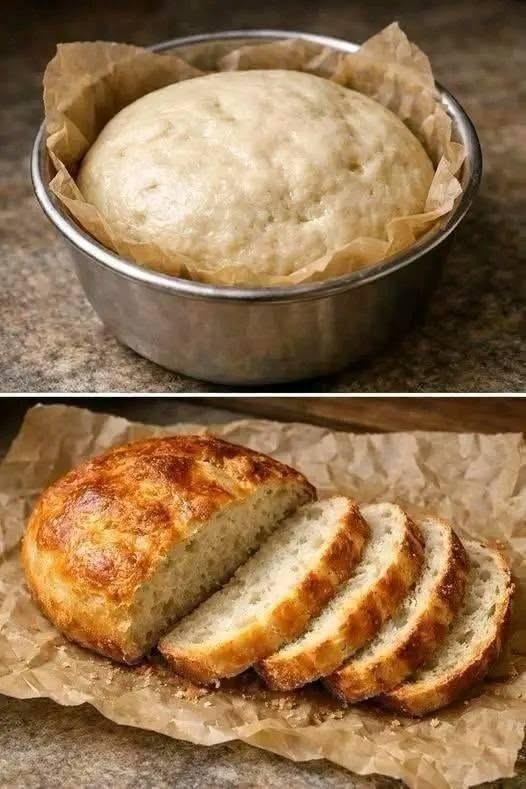
Fluffy No-Flour High-Protein Cloud Bread
A Soft, Low-Carb, Sugar-Free Protein Treat for Keto & Bariatric Lifestyles
If you are craving something soft, fluffy, bread-like and slightly sweet but want to avoid flour, added sugar and a heavy carbohydrate load, this High-Protein Cloud Bread is a great option. It is made without traditional wheat flour and can be prepared in just a few minutes before cooking.
The secret is a simple combination of egg whites, Greek yoghurt and whey protein isolate. Egg whites provide structure and protein, Greek yoghurt keeps the bread tender and moist, while whey protein gives it a higher protein content and a satisfying, cake-like texture.
It can be eaten plain, lightly sweetened with a zero-calorie sweetener, or customised with vanilla, cinnamon or other low-carb flavourings.
Recipe name: Fluffy No-Flour High-Protein Cloud Bread
Style: Low-carb, flourless, sugar-free, high-protein
Preparation: About 5 minutes
Cooking: About 2–4 minutes in the microwave, depending on the dish and microwave
Servings: 1 generous serving or 2 smaller servings
Ingredients
For 1 large serving
- ½ cup liquid egg whites — about 120 g
- ¼ cup plain, unsweetened Greek yoghurt — about 60 g
- 2 tablespoons whey protein isolate, preferably vanilla — about 15–20 g
- ½ teaspoon vanilla extract
- ¼ teaspoon baking powder
- ½–1 teaspoon granulated zero-calorie sweetener, optional, according to taste
- Pinch of salt
- ¼ teaspoon cinnamon, optional
Optional additions
For different flavours, try:
- A little unsweetened cocoa powder for chocolate bread
- Cinnamon and a touch of nutmeg for a cinnamon version
- Lemon zest for a fresh flavour
- Pumpkin-spice seasoning for a seasonal variation
- A few drops of almond or coconut extract
- Sugar-free chocolate chips, if they fit your dietary plan
Important: Choose a whey protein isolate with minimal carbohydrates and no added sugar if keeping carbohydrates very low is important to you.
Instructions
1. Prepare the mixture.
Add the egg whites, Greek yoghurt, whey protein isolate, vanilla extract, baking powder, salt and optional sweetener to a small mixing bowl.
Whisk thoroughly until the mixture is completely smooth.
You can also use a small blender or immersion blender for an especially smooth texture. Do not over-process it unnecessarily, however, because excessive blending can create a lot of air bubbles.
The batter should be fairly thick but still easily pourable.
If it looks extremely thick, add 1–2 teaspoons of water or unsweetened almond milk.
If it looks very thin, add another small amount of protein powder.
2. Choose your cooking dish.
Lightly spray a microwave-safe ramekin, small bowl or silicone container with cooking spray.
A container approximately 4–5 inches wide works well.
For a taller loaf-like shape, use a narrower, deeper container. For a flatter bread that can be sliced, use a wider container.
Do not fill the container more than about two-thirds full because the mixture can expand while cooking.
3. Microwave
Place the container in the microwave and cook on high for approximately 90 seconds.
Check the centre.
If it is still very wet, continue cooking in 15–20 second intervals until the centre is set.
Most microwaves will require approximately 2–3 minutes, although cooking time varies considerably depending on microwave power and the size of your container.
Do not dramatically overcook it. That’s the most common reason protein bread becomes rubbery or dry.
4. Let it rest.
Allow the bread to stand for approximately 1–2 minutes after cooking.
This is important because the interior continues to set as it cools.
Carefully remove it from the container and place it on a plate.
For a more bread-like presentation, allow it to cool for several minutes and then slice it.
Oven-Baked Version
If you prefer a more traditional bread texture, you can bake the mixture instead.
Preheat your oven to 350°F (175°C).
Pour the prepared batter into a small greased loaf pan, ramekin or silicone baking mould.
Bake for approximately 15–25 minutes, depending on the size and depth of your container.
The top should be lightly golden, and the centre should feel set when gently touched.
Allow it to cool before slicing.
The oven version generally produces a slightly firmer exterior and a softer, more bread-like interior than the microwave version.
Description & What to Expect
This recipe doesn’t behave exactly like conventional wheat bread because it contains no flour or gluten.
Instead, it has a soft, airy, tender and slightly springy texture. The Greek yoghurt contributes moisture, while the egg whites create structure. Whey protein makes the finished bread substantially more protein-dense than conventional sweet bread.
The flavour is deliberately mild.
Vanilla and a small amount of zero-calorie sweetener turn it into a lightly sweet treat, making it particularly good for breakfast or as a dessert-style snack.
You can also make it savoury simply by leaving out the sweetener and vanilla and adding herbs, garlic powder or your favourite seasoning.
Serving Suggestions
There are many ways to enjoy this protein bread.
Sweet version
Top with:
- Plain Greek yoghurt
- Fresh berries
- A thin layer of unsweetened nut butter
- Cinnamon
- Sugar-free jam
- Chia seeds
- A small amount of whipped Greek yoghurt
For keto eating, choose toppings according to your individual carbohydrate allowance.
Breakfast
Slice the cooled bread and serve with Greek yoghurt and a few berries.
Dessert
Cut the bread into cubes and top with cinnamon Greek yoghurt for a simple protein-rich dessert bowl.
French-toast style
For a special variation, allow the bread to cool completely, slice it, lightly dip it in beaten egg with cinnamon and vanilla, then cook briefly in a nonstick pan.
Recipe Notes
1. Protein powder matters
Different protein powders behave differently.
Whey isolate generally produces a lighter texture than many plant proteins. Some protein powders absorb considerably more liquid than others.
If using a plant-based protein powder, you may need to adjust the yogurt or liquid slightly.
2. Don’t overcook
This is probably the single most important tip.
Protein-rich recipes can become chewy or rubbery when exposed to excessive heat.
Start with a shorter cooking time and add additional time gradually.
3. Use unsweetened yoghurt.
For the lowest added-sugar version, choose plain, unsweetened Greek yoghurt.
Flavoured yoghurts may contain considerably more sugar and carbohydrates.
4. Sweetener is optional.
The recipe contains no added sugar. You can omit the sweetener completely if you prefer a neutral flavour.
If you’re following a bariatric diet, remember that some sugar alcohols or highly concentrated sweeteners can cause digestive discomfort for certain people.
5. Let it cool
Fresh from the microwave, the bread can feel unusually soft.
Give it a couple of minutes to cool and set before judging the texture.
Nutritional Information
Because the exact nutrition depends heavily on the brands of Greek yoghurt and whey protein used, the following is an approximate estimate for the entire recipe using low-carbohydrate whey isolate.
Approximate per recipe
- Calories: 170–210
- Protein: 28–32 g
- Total carbohydrates: approximately 5–8 g
- Fibre: approximately 0–1 g
- Net carbohydrates: approximately 4–7 g
- Fat: approximately 1–4 g
- Added sugar: 0 g
If divided into two servings, each serving would provide roughly 14–16 g protein.
Always check the nutrition labels of your particular ingredients for the most accurate numbers. “Virtually no carbs” is not literally zero carbohydrates, and whey protein and yoghurt can contribute small amounts.
Benefits of This Recipe
High in protein
The combination of egg whites, Greek yoghurt and whey isolate makes this considerably higher in protein than conventional bread or cake.
Protein can help contribute to fullness and is particularly useful when you’re trying to make each small meal or snack more protein-dense.
No traditional flour
There is no wheat flour, almond flour or coconut flour in the basic recipe.
This gives you a very simple alternative when you want something bread-like without using conventional baking flour.
No added sugar
The basic recipe doesn’t require table sugar, honey, maple syrup or other caloric sweeteners.
The sweetness can come from vanilla-flavoured protein powder and an optional zero-calorie sweetener.
Low carbohydrate
Using low-carb Greek yoghurt and whey isolate keeps the carbohydrate content relatively low.
However, the exact amount varies by brand, so check your labels if you’re following a strict ketogenic diet.
Quick preparation
Unlike traditional bread, there is no yeast, kneading, proofing or lengthy rising period.
The microwave version can go from mixing bowl to plate in just a few minutes.
Portion-friendly
For people who prefer smaller meals, the recipe can easily be divided into two portions.
For bariatric eating, however, portion size and food tolerance are highly individual. Follow the eating plan provided by your bariatric team, especially during the early stages after surgery.
Frequently Asked Questions
Can I make this without protein powder?
Yes, but the result will be different.
The protein powder contributes both protein and structure. If you remove it, you’ll essentially have a baked egg-and-yoghurt mixture rather than the same fluffy protein bread.
Can I use whole eggs?
Yes. You can substitute whole eggs for some or all of the egg whites, but the bread will become richer, more yellow and higher in fat and calories.
For the lightest texture, liquid egg whites work particularly well.
Is this keto?
It can fit into a ketogenic diet depending on the ingredients and your individual daily carbohydrate target.
Use plain unsweetened Greek yoghurt and a whey isolate with very little carbohydrate, and calculate the recipe using the nutrition labels of your products.
Is it suitable for bariatric diets?
It may be useful as a protein-focused food, but suitability depends on your stage after surgery, individual tolerance and your bariatric programme’s recommendations.
After bariatric surgery, foods need to be introduced according to your medical team’s progression. Eat slowly, take small bites and stop when comfortably satisfied.
Why did my bread turn rubbery?
It was most likely overcooked.
Microwaves vary significantly in power. Try reducing the initial cooking time and finishing in 15–20 second increments.
Why is my bread too wet?
It may need another short burst of cooking.
Alternatively, your yoghurt may contain more liquid than the one used to develop the recipe.
Can I bake it instead of microwaving?
Absolutely. Bake at approximately 350°F (175°C) until the centre is set, generally around 15–25 minutes depending on the container.
Can I make it chocolate?
Yes. Add approximately 1 teaspoon unsweetened cocoa powder and adjust the sweetener to taste.
Because cocoa adds a small amount of carbohydrate, include it in your nutritional calculation.
Can I make it savoury?
Definitely. Omit the sweetener and vanilla and add herbs, garlic powder, onion powder or another seasoning.
A small amount of grated cheese can also be added, although that will change the calorie and fat content.
How should I store leftovers?
For best texture, this recipe is ideally eaten fresh.
If you have leftovers, refrigerate them in an airtight container and consume them promptly. Reheating for too long can make protein-based breads increasingly firm or rubbery.
Final Tips for the Fluffiest Bread
Use room-temperature ingredients when possible. They generally combine more easily.
Don’t pack the protein powder into the measuring spoon. Too much powder can make the bread dry.
Don’t overcook. Remove it as soon as the centre is set.
Allow it to rest before slicing. The texture improves as it cools.
Use a suitable protein powder. A smooth whey isolate usually gives the best light texture.
Adjust sweetness to your taste. Vanilla protein powders vary significantly in sweetness.
Check labels rather than relying on generic nutrition numbers. Yoghurt and protein powder can differ substantially in calories, carbs and protein.